







Search Results for: single-origin bean selection
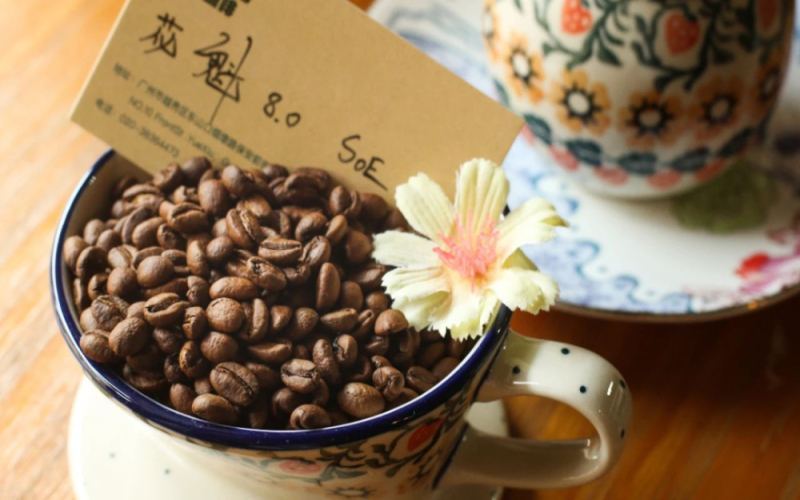
Can Kenyan single-origin beans be made into SOE espresso? A complete practical guide from bean selection to extraction
In recent years, SOE espresso has become increasingly common in specialty coffee shops, but many people mistakenly believe that simply putting single-origin beans into an espresso machine will produce a delicious cup of SOE. In fact, single-origin espresso has stricter requirements for bean selection, roasting curves, and extraction parameters. Starting from the store practices of Front Street Coffee, this article explains the essential difference between SOE and blended espresso, clarifies why not all single-origin beans are suitable for SOE, and, using Kenya cherry coffee beans as an example, provides a complete extraction plan including dose, yield, ratio, and time, helping coffee lovers make a cup of single-origin espresso with clear flavor at home. [more…]
A Flavor Tasting Guide to Single-Origin Pour-Over Coffee: Eight Selected Micro-Lot Bean Recommendations from Front Street Coffee
In recent years, the third wave of specialty coffee has swept in, drawing more and more coffee lovers to single-origin coffee. Single-origin coffee refers to beans from a single producing region; these beans are usually of higher quality, and during roasting, adjustments are made specifically according to the characteristics of the origin and variety, striving to restore the coffee's most authentic regional flavor. So how should a cup of high-quality pour-over single-origin coffee be tasted? And where should you start when choosing beans? This article will guide you through the five key steps of tasting pour-over coffee, and, starting from the three major influencing factors of producing region, variety, and processing method, select eight single-origin beans from Front Street Coffee for your reference, covering classic origins such as Ethiopia, Indonesia, Brazil, Costa Rica, Kenya, Colombia, and Panama, to help you find the cup that suits your taste. [more…]
SOE Coffee Brewing Guide: Key Points for Single-Origin Bean Selection and Analysis of Flavor Differences Between Americano and Latte
Want to make a standout SOE with single-origin coffee beans? Starting from the definition of SOE, this article systematically breaks down the three key dimensions of choosing SOE coffee beans—origin, roast level, and processing method—and, drawing on hands-on experience with several Front Street single-origin beans, offers bean-selection advice for different flavor preferences. It also explains in detail how to dial in SOE espresso extraction, along with fine-tuning tips for Ethiopian light roasts, fruity fermented beans, and medium-dark roasts when making Americanos and lattes, helping you easily master this highly distinctive single-origin espresso. [more…]
Can SOE Coffee Beans Be Used for Pour-Over? Single-Origin Espresso Flavor Analysis and Espresso Bean Selection Advice
SOE coffee, which is espresso extracted from single-origin coffee beans, has attracted increasing attention from coffee enthusiasts in recent years. Many people are curious: can all single-origin beans be used for espresso? And can beans used for SOE also be used for pour-over? In fact, although all single-origin beans can be tried for espresso extraction, not every one of them is suitable; and beans specifically selected for SOE often can also handle pour-over well. The key behind this lies in the match between roast level and extraction method. Starting from the practice of Front Street Coffee, this article analyzes the different requirements of SOE and pour-over for single-origin beans, and recommends several medium-roast coffee beans suitable for making SOE while also performing well in pour-over, for enthusiasts' reference. [more…]
Espresso Bean Selection Guide: Blend vs. Single-Origin Differences, Extraction Parameters, and Front Street Recommendations
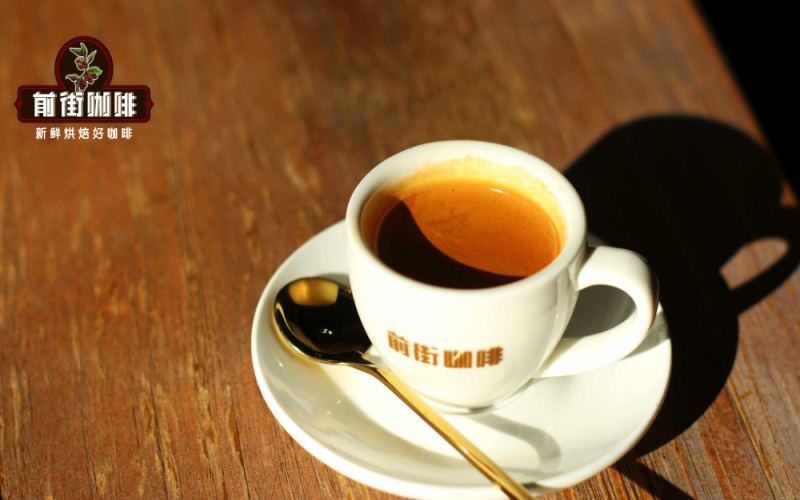
To make a decent espresso at home, choosing the beans is the first step. Many people ask: can any coffee beans be used to extract espresso? In theory, both Arabica and Robusta can, but if you're after flavor, bean selection matters a great deal. Currently, the espresso beans commonly found in cafés fall into two main categories: blends and single-origin beans. Blends combine multiple beans to pursue stability and balance; single-origin beans emphasize the unique flavor of a particular region, known as SOE. This article starts with the difference between blends and single-origin beans, explains why blends are more stable, and specifically introduces the flavor and extraction suggestions for Front Street Coffee's Classic Blend, Strawberry Candy Blend, and Sun-Dried Red Cherry SOE. It also provides reference parameters such as dose, yield, and time to help you find an espresso solution that suits you. [more…]
What exactly is SOE coffee? From bean selection to extraction parameters, a thorough guide to the secrets of making single-origin espresso.
In recent years, specialty coffee culture has continued to take root in China, and more and more cafés are putting single-origin coffee beans from different regions on their menus, making SOE a hot topic of discussion among coffee lovers. SOE stands for Single Origin Espresso, referring to espresso extracted from coffee beans of a single origin. How does it differ in flavor expression from traditional blended espresso? What kind of beans should be chosen for making SOE, and how should grinding, dose, and yield be adjusted? Based on the actual production experience of Front Street Coffee, this article breaks down the logic of bean selection around three dimensions—origin, roast level, and processing method—and provides specific extraction fine-tuning plans for light-roasted Ethiopian beans, fruity fermented beans, and medium-dark roasted beans, helping you make a smooth and delicious cup of SOE. [more…]
Can Single-Origin Coffee Beans Be Used for SOE? A Full Analysis of Flavor Performance, Pros and Cons, and Bean Selection & Roasting Tips
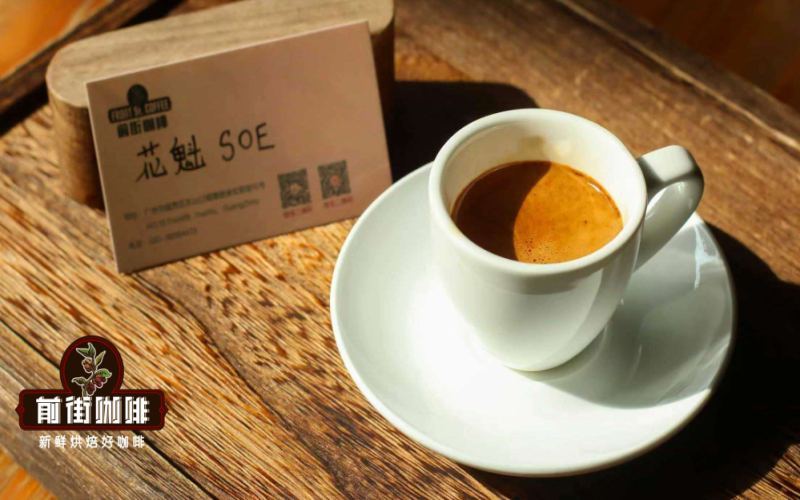
SOE is a popular category in today's specialty and chain coffee shops, referring to espresso extracted from single-origin coffee beans. It can showcase a region's character at high concentration, but stability and roasting compatibility are often overlooked. This article uses comparative experiments between pour-over and espresso to illustrate flavor differences, sorts out the advantages and shortcomings of SOE, and offers selection guidance: you can use single-origin beans roasted at medium or darker levels, or directly choose beans specifically designed for SOE. The article also combines examples such as Front Street Strawberry Candy, Brazil Queen's Estate, and Granada Geisha to explain the effects of different processing methods and roasting on espresso and milk coffee performance, and emphasizes the importance of freshness for flavor. [more…]
SOE Coffee Bean Selection and Roasting Guide: An Analysis of Single-Origin Coffee Differences and Key Production Points
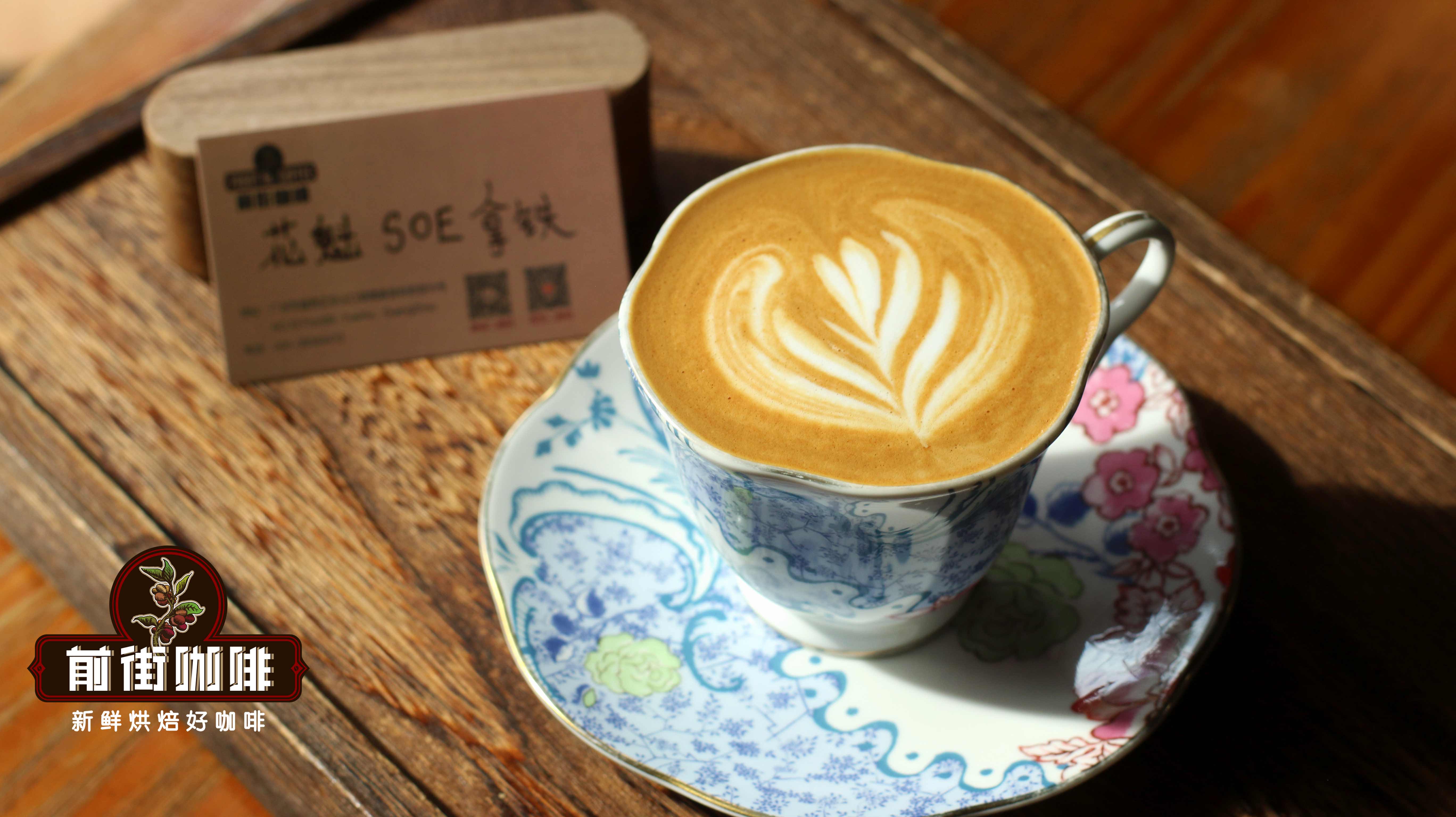
SOE (Single Origin Espresso) has attracted much attention in the specialty coffee circle in recent years. It uses coffee beans from a single origin, and after high-pressure extraction through an espresso machine, its flavor characteristics are significantly amplified, so it is clearly different in expression from pour-over single-origin coffee. Starting from the definition of SOE, this article will analyze its differences from single-origin coffee, the logic behind choosing the roast level, and explain which coffee beans are more suitable for making SOE. At the same time, the article will also share Front Street Coffee's approach to selecting such coffee, including specific recommendations such as Natural Huakui, Mozart, and Sidra, as well as practical points such as extraction parameter adjustments and milk ratio control, to help coffee lovers understand this category more comprehensively. [more…]
Espresso Beginner's Guide: SOE Single-Origin Bean Selection and Front Street Coffee Bean Recommendations
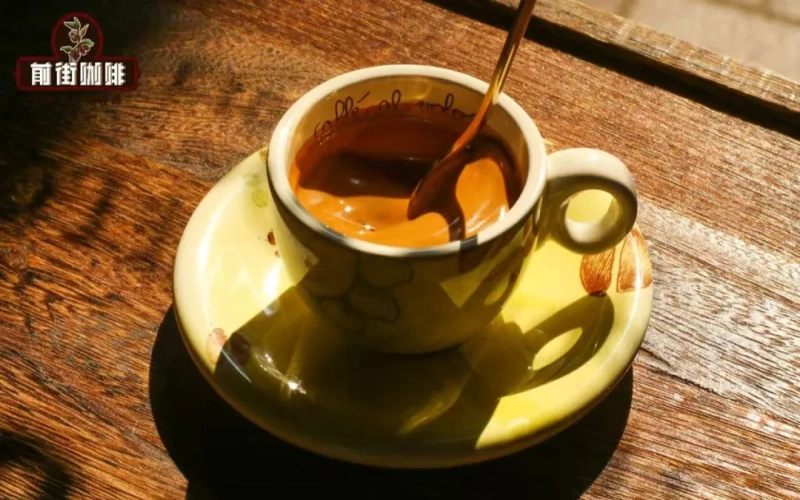
Espresso means "fast" in Italian—not only is it quick to make, but it should also be drunk immediately after it is served. As the specialty coffee wave has advanced, more and more enthusiasts have begun trying to make espresso with single-origin coffee beans, known as SOE. This article will start from the basic concept of espresso, systematically explain the characteristics of SOE, its differences from blend beans, the approach to extraction adjustment, and the experience Front Street Coffee has accumulated in actual practice, and recommend two single-origin coffee beans suitable for making espresso—Front Street Yirgacheffe Natural Red Cherry and Front Street Brazil Queen's Estate—with specific extraction parameter references attached. [more…]
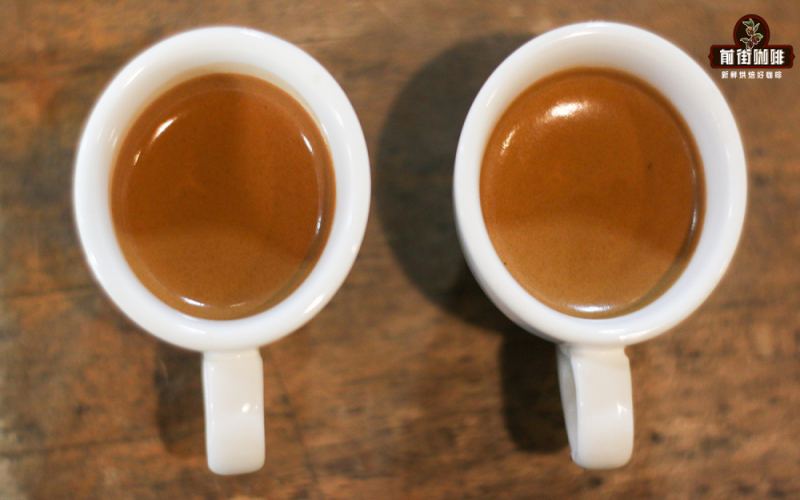
SOE Single-Origin Espresso Bean Selection Key Points and Suitable Coffee Machine Recommendation Guide
In recent years, the practice of making espresso with single-origin coffee beans has become increasingly popular. This style of coffee, known as SOE, emphasizes the authentic flavors of its origin and stands in sharp contrast to traditional espresso blends. However, not all single-origin beans can handle the extraction demands of an espresso machine. Drawing on Front Street Coffee's practical experience, this article systematically explains the definition of SOE, bean selection criteria, and extraction adjustment approaches, and specifically recommends two beans suitable for making espresso—Front Street Coffee Yirgacheffe Natural Red Cherry and Front Street Coffee Brazil Queen's Estate—along with suggested parameters for grind size, brew ratio, and time, helping coffee enthusiasts make a cup of SOE with clear flavors at home. [more…]
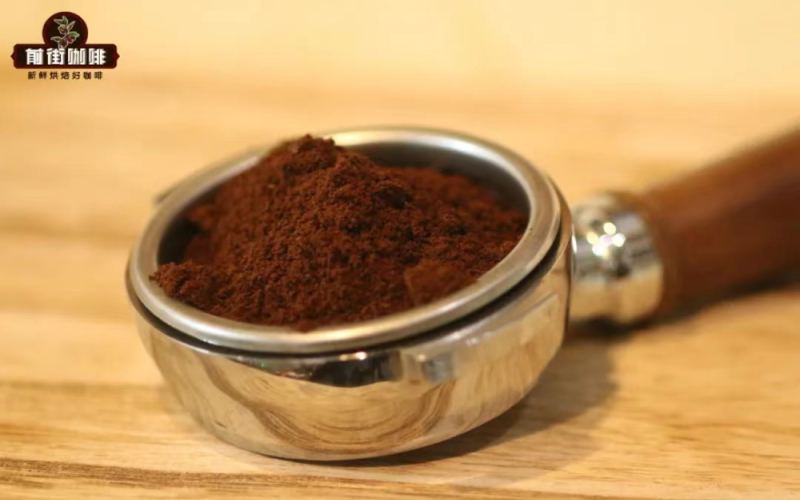
What Is SOE Single-Origin Espresso? Flavor Performance and Bean Selection Tips for Making Espresso with Yirgacheffe Single-Origin Beans
In the specialty coffee world, pour-over usually uses single-origin beans, while espresso mostly uses blends. But can single-origin beans be used to make espresso? The answer is yes—this practice is called SOE (Single Origin Espresso). Because the high-pressure extraction of an espresso machine amplifies the flavor characteristics of the coffee beans, SOE can both highlight origin personality and easily expose flaws. In this article, Front Street Coffee will systematically explain the definition of SOE, its differences from blends and pour-over single-origin beans, key points of roasting and extraction, and recommend coffee beans suitable for making SOE, such as Yirgacheffe Natural Red Cherry, along with specific extraction parameters and flavor descriptions. [more…]
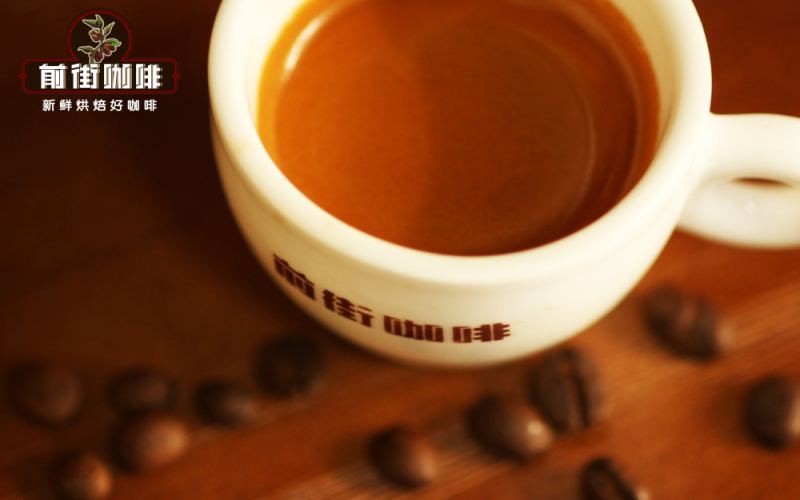
Flavor Characteristics and Selection Tips of SOE Single-Origin Espresso, with Three Front Street Single-Origin Bean Recommendations
When ordering at a coffee shop, you'll often hear the barista ask if you'd like to try an SOE. SOE stands for Single Origin Espresso, an espresso extracted from coffee beans of a single origin. Its approach differs from that of blend beans: blends pursue balance and complexity, while SOE aims to amplify the signature flavors of a particular region. However, making a good SOE is not simple—bean quality, roast level, and extraction parameters all need to be carefully matched, otherwise it easily ends up too sour, too bitter, or thin in flavor. This article will sort out the characteristics and common misconceptions of SOE, and according to three styles—acidic, fermented winey, and rich bitter—recommend three coffee beans suitable for making SOE: Front Street Coffee Colombia Papayo, Costa Rica Blackberry, and Brazil Queen's Estate, for enthusiasts' reference. [more…]
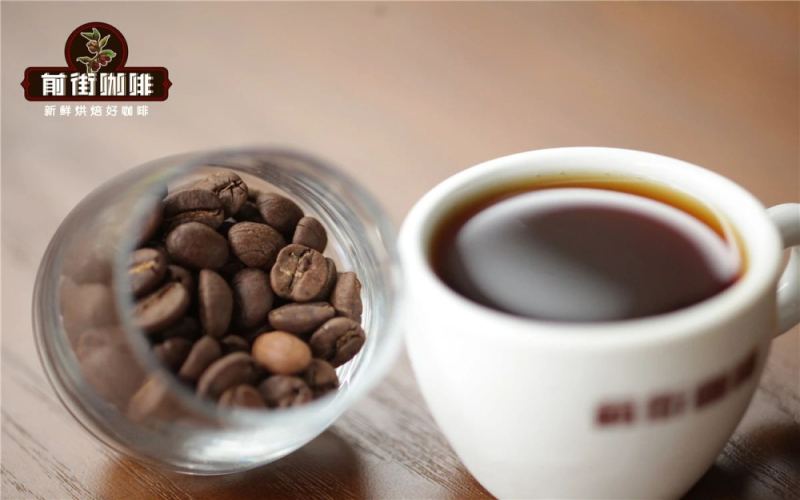
SOE Single-Origin Espresso vs. Espresso Blend Beans: Which Is Better? A Comprehensive Analysis from Definitions to Front Street Coffee Bean Selection Advice
Since the rise of specialty coffee in China, the debate over whether espresso should use single-origin beans or blended beans has never ceased. The SOE camp emphasizes the pure quality of single-origin specialty beans, while the blend camp values the balance and crema performance brought by blending multiple origins. This article will start with the full name and origin of SOE, review the historical milestone of James Hoffmann winning the 2007 WBC with single-origin beans, analyze why blended beans were once stigmatized, and explain the pros and cons of each. At the same time, drawing on the views of Front Street Coffee, it offers selection advice for coffee shops and home users, and finally includes specific flavor information for Front Street's recommended SOE coffee beans and three espresso blends, helping readers build a more complete understanding. [more…]
Why Are SOE Coffee Beans So Popular? An Analysis of the Pros and Cons of Single-Origin Espresso and a Brand Selection Guide
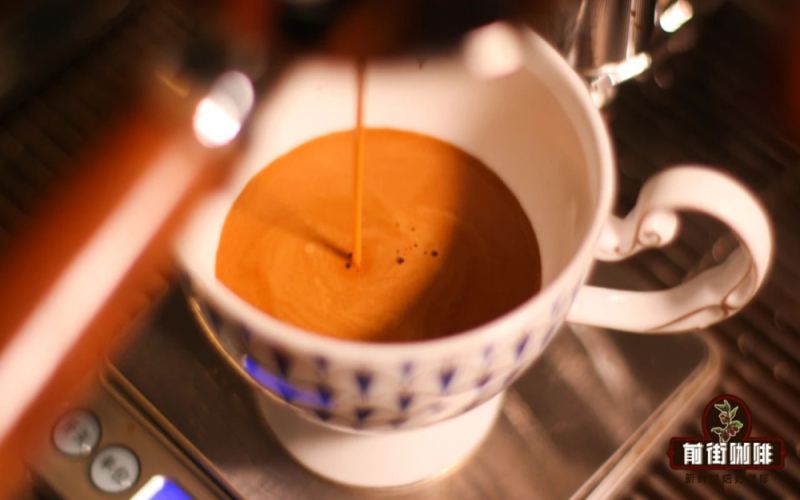
SOE coffee is actually not mysterious at all; it simply replaces blended beans with single-origin coffee beans and then extracts them as espresso. The term itself does not indicate whether the coffee is high or low quality, nor is it a criterion for judging whether it tastes good. Since 2007, SOE has gradually become popular and matured in North America, getting consumers accustomed to ordering an espresso from a single seasonal origin. Improvements in the quality of specialty green beans and advances in roasting technology have made it possible for a single bean to support a good cup of coffee while retaining distinct regional flavors. However, limited production of high-quality beans, the difficulty of light-roast extraction, and high costs all make SOE cafés destined to be scarce. This article will explain the origins of SOE, key production points, and the trade-offs between pros and cons, recommend three Front Street single-origin beans suitable for SOE, and share practical advice on freshness and bean resting. [more…]
A Comprehensive Analysis of SOE Single-Origin Espresso: Definition, Bean Selection Logic, and Huakui Extraction Parameters Sharing
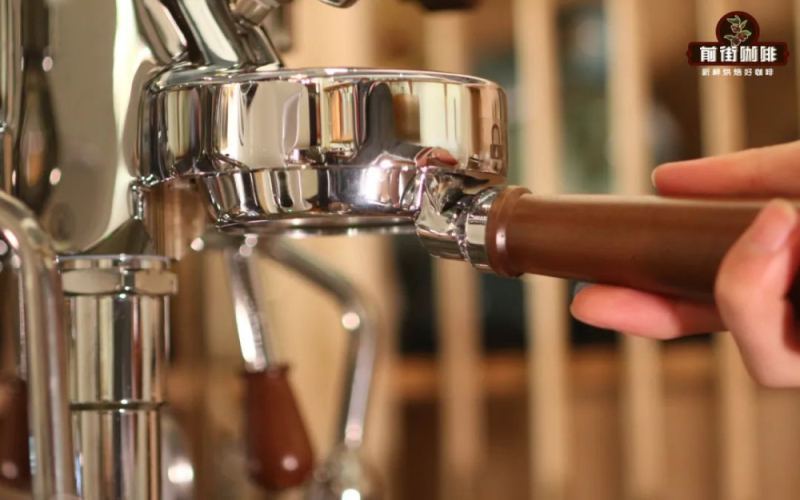
SOE stands for Single Origin Espresso, and in recent years it has gained increasing attention in the specialty coffee world. It uses single-origin coffee beans instead of traditional blend beans to make espresso, presenting a completely different flavor profile. This article will start from the definition of SOE, sort out its differences from single-origin beans, blend beans, and pour-over beans, explain why SOE coffee beans are relatively expensive, and recommend several coffee beans that are suitable for both pour-over and making SOE. Finally, taking Huakui as an example, it will share Front Street Coffee's extraction parameters and operating process in detail, helping you make a cup of bright-flavored SOE at home. [more…]
An Analysis of the Differences Between SOE Single-Origin Espresso and Blended Espresso Coffee Beans: Flavor Characteristics, Suitable Scenarios, and Selection Recommendations
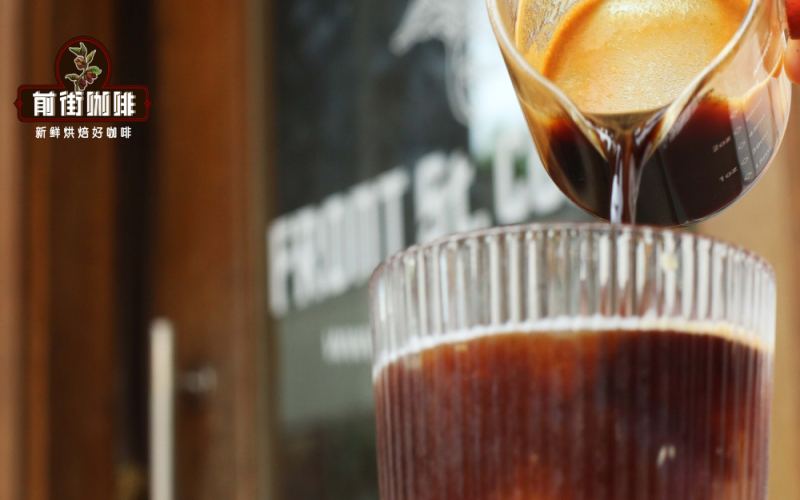
In recent years, SOE (Single Origin Espresso) has frequently appeared on the menus of domestic coffee shops, and many people mistakenly believe that it must be of higher quality and more expensive than espresso blends. This is not the case. From the perspective of Front Street Coffee, this article systematically sorts out the definitions, development history, respective advantages and disadvantages of SOE and espresso blends, as well as the problems that may arise when single-origin beans are used for high-pressure extraction, and gives practical selection advice. The article also lists several espresso blend beans currently sold by Front Street and their flavor descriptions, helping coffee enthusiasts make rational judgments based on their own needs, and no longer blindly pursue or belittle a certain type of coffee bean. [more…]
Analysis of Flavor Characteristics and Selection Guide for Espresso Beans: Practical Criteria from Blends to SOE
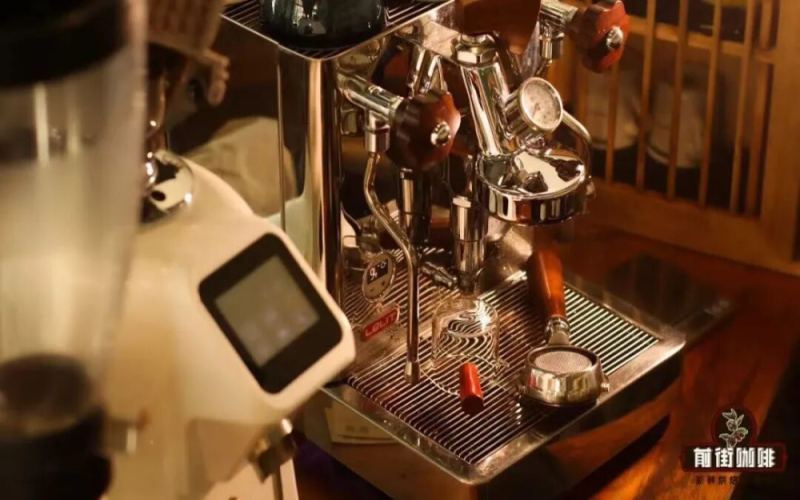
Espresso beans are not just synonymous with blends; today, single-origin beans can also handle espresso extraction. This article starts with how blends complement each other's strengths, explaining how blending makes flavors more balanced and the mouthfeel richer, and uses the delicious yet affordable Front Street specialty blend as an example to show the layered expression achieved by combining Brazilian nutty aromas with Colombian cocoa flavors; it then introduces SOE espresso made from single-origin beans, explaining its definition and roasting key points, and noting that medium-dark roasting is more conducive to high-pressure extraction and crema formation. Finally, it emphasizes the key impact of freshness on flavor and explains Front Street's commitment to fresh roasting within 5 days, helping coffee enthusiasts establish clear criteria for selection and judgment. [more…]
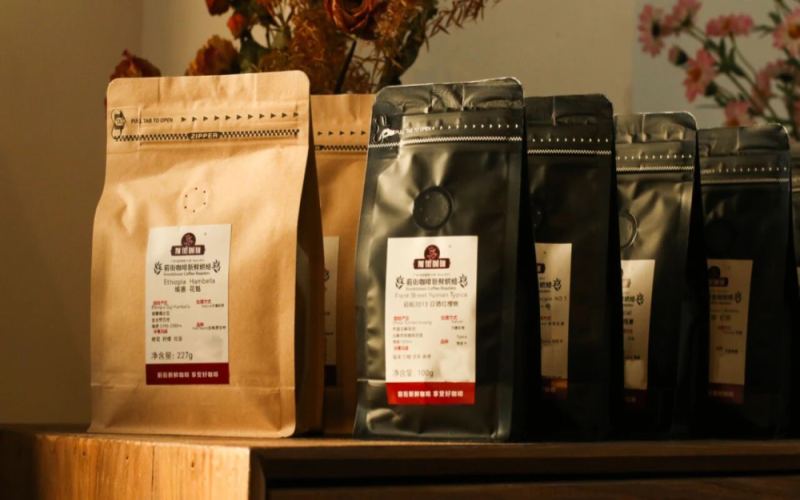
Home Coffee Bean Selection Guide: For Pour-Over, Should You Choose Single-Origin or Blend? A Full Analysis of Freshness and Regional Flavors
Faced with a bewildering array of coffee bean options, many enthusiasts often don't know where to start. This article approaches bean selection from three dimensions—extraction method, roast date, and regional flavor profiles—to help you clarify your thinking: pressurized extraction suits espresso blends, while pour-over extraction is better suited to single-origin beans; when purchasing, be sure to check the roast date and one-way degassing valve packaging; beans from different regions have distinct flavor emphases—African beans offer floral aromas and fruity acidity, Central and South American beans have nutty notes, and Asian beans are rich and full-bodied with low acidity. It also answers the question of whether to buy whole beans or ground coffee, and includes specific product recommendations from Front Street Coffee, so you can easily find the one that suits you. [more…]
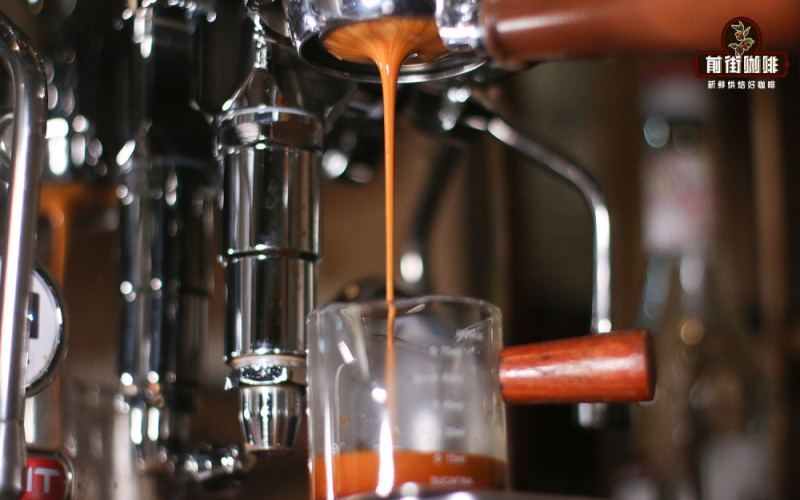
The Complete Guide to SOE Single-Origin Espresso: Flavor Differences from Espresso Blends and Key Points for Bean Selection and Roasting
In recent years, the specialty coffee wave has driven the popularity of SOE, but many enthusiasts still can't distinguish it from traditional espresso blends. From the perspective of Front Street Coffee, this article systematically explains the definition, flavor characteristics, and production challenges of SOE, compares the advantages of blends in balance and stability, and recommends beans suitable for SOE—such as sun-dried Red Cherry and Sidra. It also provides in-depth analysis of roasting curves, extraction parameter adjustments, and milk ratio control, helping you make a single-origin espresso with clear flavor and no loss of balance at home or in your shop. [more…]
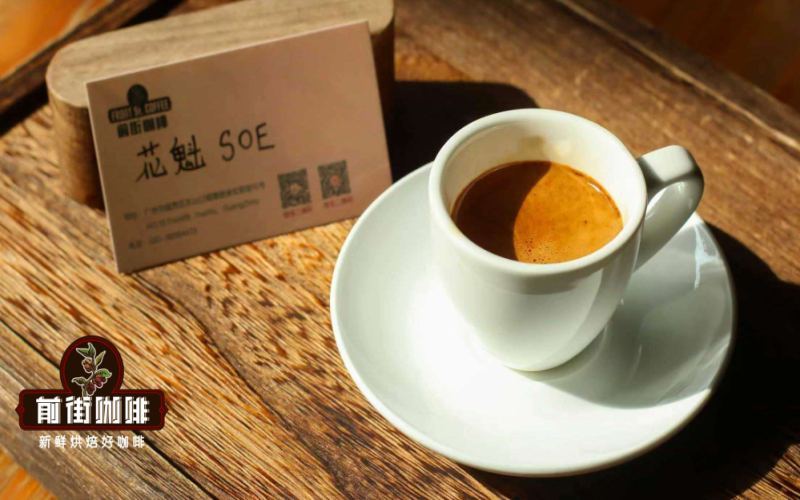
A Beginner's Guide to SOE Single-Origin Espresso: Flavor Characteristics, Selection Tips, and Yirgacheffe Bean Recommendations
When ordering at a café, have you ever been asked by a barista if you'd like to try an SOE? SOE is short for Single Origin Espresso, referring to espresso extracted from single-origin coffee beans. Many people believe it's superior to blend beans, but is that really true? This article will walk you through the background of SOE's popularity, its flavor performance and potential shortcomings, and offer bean selection advice for making SOE. We'll also recommend a Yirgacheffe Natural Red Cherry SOE coffee bean from Front Street Coffee, which features rich berry and orange acidity as well as caramel-like sweetness, making it ideal for those who prefer fruity flavor profiles. Whether you're a beginner just getting into SOE or a coffee lover looking for new flavors, you'll find practical references here. [more…]